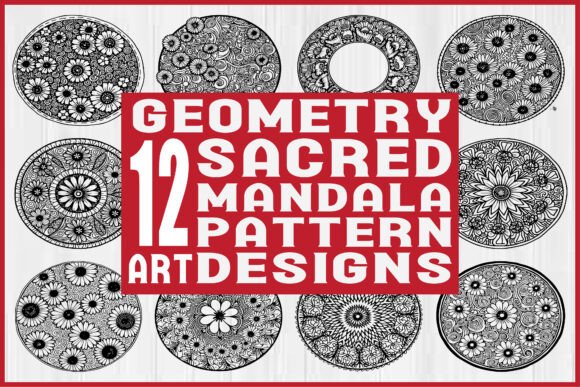
Sacred Geometry Mandala Patterns Review
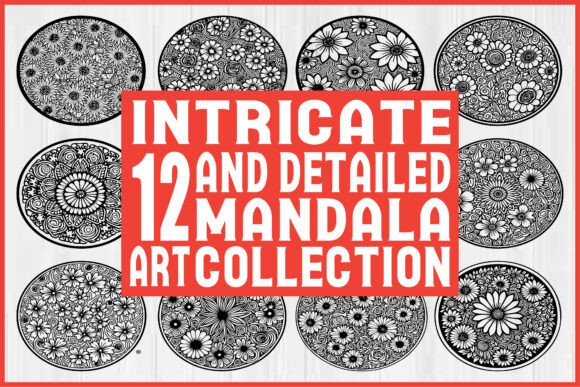
I have spent years stitching intricate designs onto everything from denim jackets to delicate baby onesies, and I know that the difference between a good design and a great one often comes down to how well it translates from a screen to a needle. When I first opened the Sacred Geometry Mandala Patterns bundle, my initial reaction was one of quiet appreciation for the balance in the lines. These aren't just random shapes; they are 12 detailed circular vector designs inspired by the harmony of sacred geometry and mandala art. For a designer looking to add a touch of spiritual calm or sophisticated structure to their work, this set feels like a breath of fresh air.
The visual personality of these patterns is distinct. They carry a mood of order and tranquility, which makes them incredibly versatile. Unlike some overly busy floral motifs that can look cluttered when stitched on a small hoop, the geometric precision here offers a clean, modern aesthetic that appeals to a wide range of customers. Whether you are an Etsy seller looking to refresh your shop's branding or a hobbyist wanting to create a meaningful personalized gift, the layout of Sacred Geometry Mandala Patterns suggests a high level of professionalism right out of the gate.
From Vector to Thread: A Real-World Test Scenario
To truly understand the potential of this product, I decided to run a practical test before committing to a full client project. I imagined creating a custom embroidered tote bag for a local yoga studio—a perfect candidate for the calming energy of mandalas. The goal was to produce a finished product that felt handcrafted yet polished enough to command a premium price point.
I selected one of the larger circular designs from the bundle. My immediate concern with any complex graphic is how the details will hold up under the tension of embroidery. As I loaded the fabric into the hoop, I checked the stitch density mentally. The design features a mix of fine lines and broader fills, which is where the true character of a machine embroidery design shines or fails. In this case, the geometry holds together well. The symmetry ensures that even if the fabric shifts slightly during the stitching process, the overall circle remains balanced.
When the machine finished stitching the test piece on a heavy canvas tote, the result was striking. The contrast between the thread colors and the dark fabric made the geometric shapes pop without overwhelming the material. It looked like a boutique product rather than a mass-produced item. This is exactly what small business owners need when they want to elevate their craft business offerings. The design has a timeless quality that fits perfectly with current trends in mindfulness and wellness decor.
Where This Design Shines in Your Portfolio
The versatility of Sacred Geometry Mandala Patterns extends far beyond tote bags. Because these are essentially graphics designed for conversion into embroidery files, they open up a world of possibilities for various textile applications. I see this collection working exceptionally well on apparel items like sweatshirts and hoodies, where a large central back print or a smaller chest logo adds a unique flair.
For those selling on platforms like Etsy, these patterns are goldmines for holiday gifts. Imagine a family reunion sweater featuring a subtle mandala on the sleeve, or a set of kitchen towels adorned with a geometric pattern that brings a sense of order to a busy kitchen. The design also lends itself beautifully to nursery decor, such as pillow covers or wall hangings, where parents are often looking for soft, non-aggressive imagery for their children's rooms.
If you specialize in personalized products, the circular nature of these mandalas provides a natural frame for names or dates. You could stitch a name around the perimeter of the design, creating a cohesive unit that looks intentional and artistic. This is a huge selling point for custom apparel decorators who want to offer something more substantial than a simple text-only monogram.
Navigating Challenges: Where Caution Is Required
While I am generally impressed with the structural integrity of Sacred Geometry Mandala Patterns, every experienced designer knows that context is king. There are specific scenarios where this design might require extra attention to detail. For instance, if you plan to use this on a curved surface like a baseball cap, the circular symmetry might not align perfectly with the curve unless you adjust the placement carefully. Curved surfaces can sometimes distort the perfect geometry of the mandala, so testing on scrap fabric is non-negotiable.
Another area to watch is texture. If you are embroidering on a highly textured fabric like a chunky knit sweater or a rough burlap, the fine lines within the geometric pattern might get lost. The thread could sink into the weave, reducing the clarity of the design. Similarly, on thin or stretchy fabrics, the stabilizer choice becomes critical. Without proper support, the dense stitch areas typical of mandalas can cause puckering, which ruins the visual appeal of the finished product.
I also advise caution when using these designs for embroidered patches intended for frequent washing. While the design is robust, the sheer number of threads required to fill the geometric shapes means there is a lot of coverage. On items that will be subjected to heavy agitation, like work aprons or kids' clothes, ensure you are using high-quality thread and appropriate underlay stitches to prevent the design from pulling or tearing over time.
Professional Notes for the Discerning Designer
Before you upload this file to your machine and start stitching, there are several technical steps you must take to ensure success. First, always review the stitch density. Even though the vector source is clear, the conversion to an embroidery format determines how the machine interprets the lines. If the design is too dense, it may become stiff and uncomfortable against the skin. If it is too sparse, the fabric might show through, ruining the clean look of the geometry.
Color selection is another pivotal factor. The beauty of Sacred Geometry Mandala Patterns lies in its lines, so choosing thread colors with sufficient contrast is essential. A low-contrast thread on a dark background might make the intricate details disappear entirely. I recommend testing your color choices in black and white mockups first to verify that the value contrast is strong enough to define the shapes.
Don't forget to check the licensing terms. Many designers assume that because a product is labeled as a digital asset, it is free for commercial use. However, you must confirm whether you are allowed to sell finished items created with these designs. Some licenses restrict the number of units you can produce, while others require attribution. Clarifying this before you start marketing your small shop product protects you from legal issues later.
Finally, consider the end-user experience. How will the customer feel wearing or holding the item? A well-executed mandala should feel tactile and engaging. If the design is too stiff or bulky, it detracts from the garment's comfort. Use the right stabilizer to keep the fabric flat but flexible, ensuring the finished product maintains its drape and elegance.
In conclusion, Sacred Geometry Mandala Patterns is a thoughtful addition to any designer's library. It offers a blend of artistic depth and structural clarity that works well for both personal projects and commercial ventures. By approaching it with the same care and testing you would apply to any major client job, you can transform these digital vectors into stunning physical treasures that your customers will cherish.